Check out our 3-part series on saving for retirement.
| |
Hi Janet,
Saving for retirement is a huge undertaking, and if you feel overwhelmed by it, you’re not alone. That’s why we’re here to break it down and focus on how to get your long-term savings on track. Let’s take a closer look at how much you may need to save to retire comfortably, plus tax-saving strategies.
|
|
| |
Tip #1: Run the numbers 🧮 |
|
| |
| |
As we covered in part one of the series, early and often is a great way to help save for retirement. But you can’t reach a goal if you don’t have a target, so the first rule of retirement planning is knowing how much you may need to retire comfortably. |
|
|
|
| |
| |
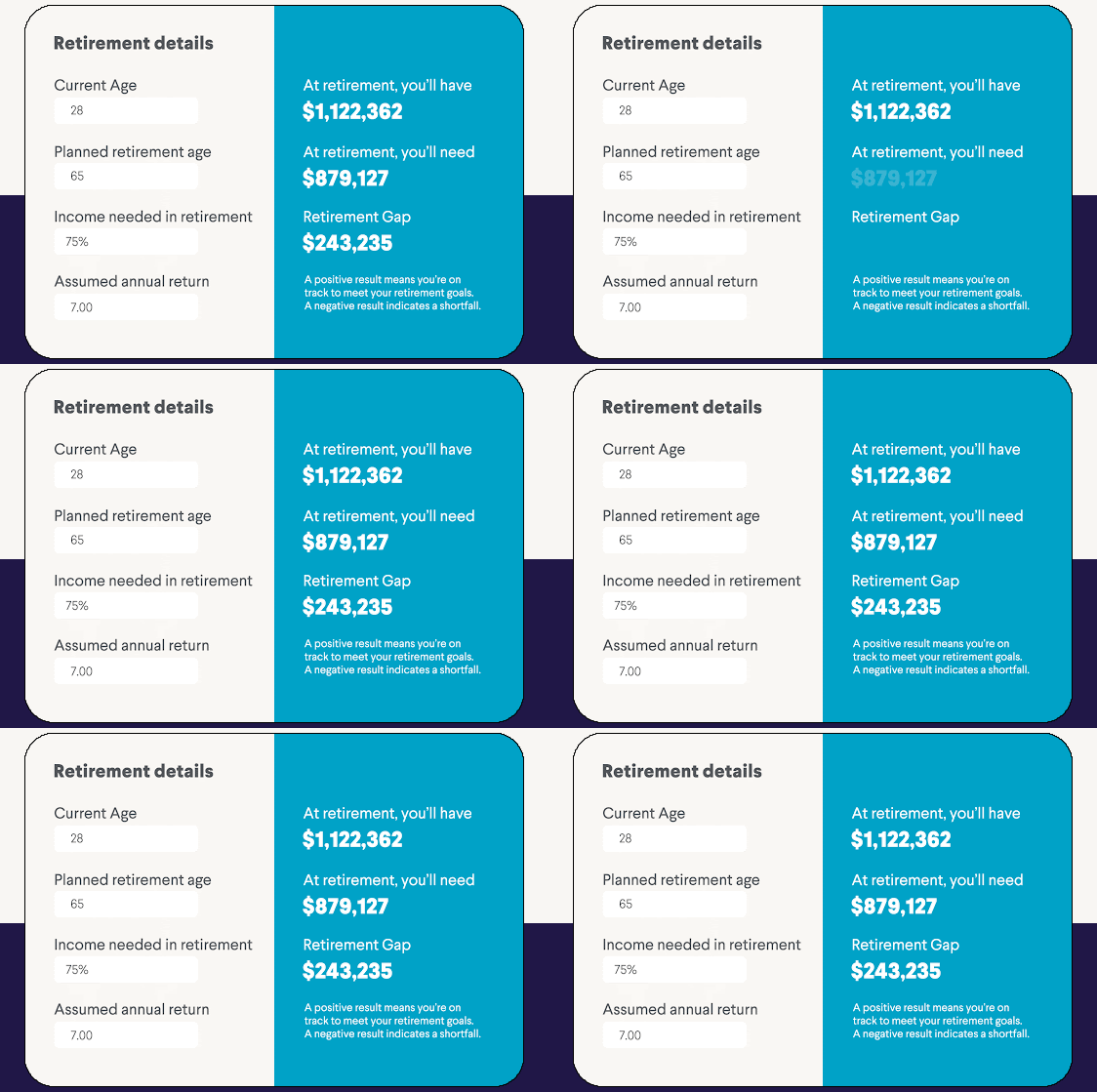
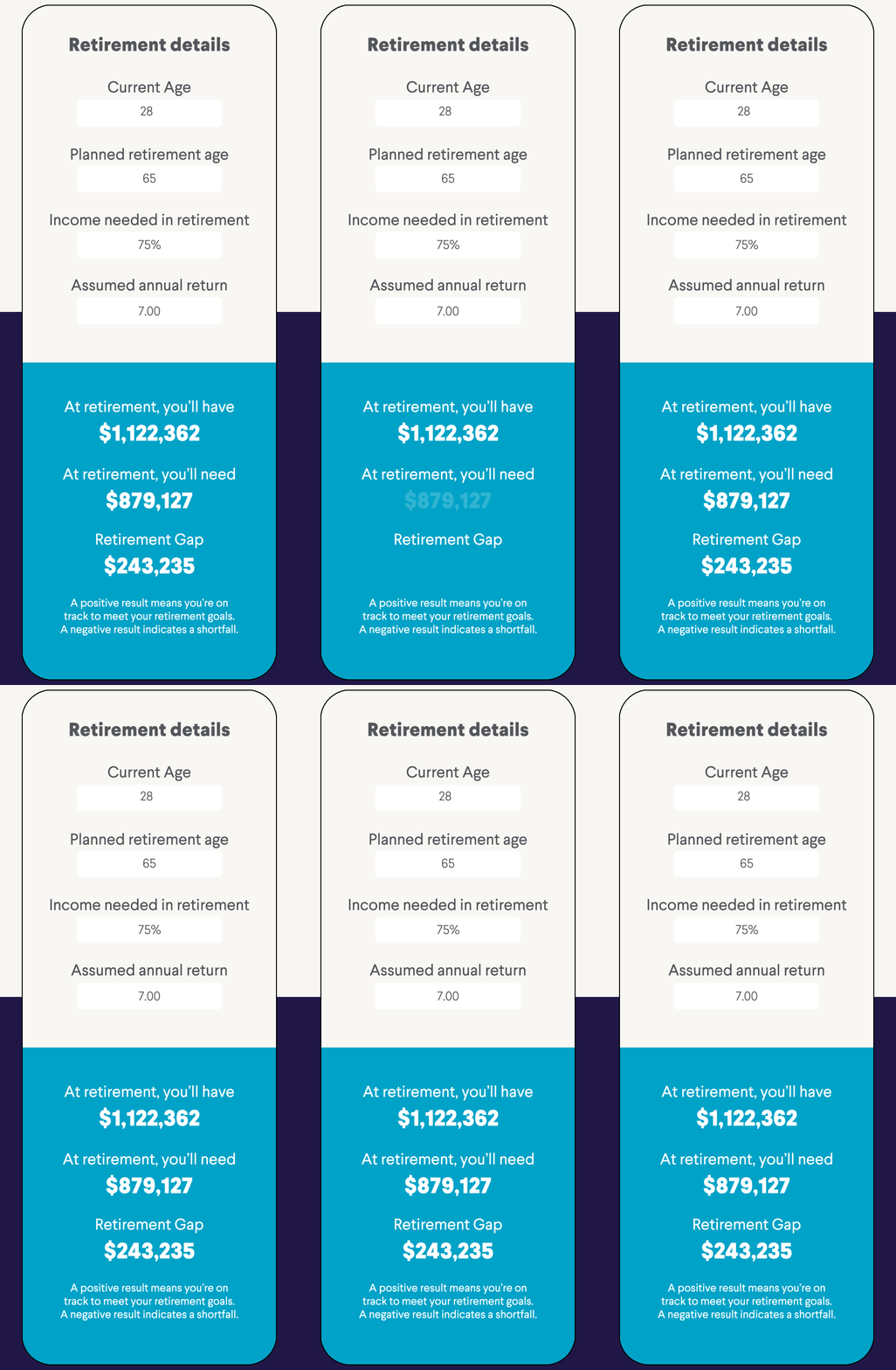
Click to use calculator with full requirement inputs. Above is for educational purposes and assumes retirement age of 65 years, life expectancy of 90 years, no current retirement savings balance, $7,000 of contributions per year (the maximum contribution limit), and 7% annual return. |
|
| |
One guideline says you should multiply your annual salary by 10, and that’s how much you’ll need in retirement. But we recommend going a step further with our retirement calculator¹ , which provides a more in-depth calculation quickly and easily. |
|
|
|
| |
Tip #2: Make tax-saving retirement accounts part of your strategy 🧾 |
|
| |
| |
For many, saving for retirement includes investing, which may provide greater returns than a basic savings account. And there may be tax advantages to retirement investment accounts, like 401(k)s and IRAs (individual retirement accounts).
You can defer taxes with a traditional IRA, while a Roth IRA offers tax-free withdrawals, and a 401(k) allows you to make pre-tax contributions. To potentially maximize your savings potential, contribute to both an IRA and 401(k). This may help you bring down your taxable income so you may save more of what you earn—because you work hard for your money! |
|
|
|
|






No comments: